

How to Find Weed in Quito in 2026: Updated Guide to Cannabis in Ecuador’s Capital
Planning a trip to Quito and wondering how to find weed? You’re in the right place. This updated 2026 guide covers everything you need to know about getting cannabis in Ecuador’s capital city – from the current legal landscape to practical tips on sourcing it safely and discreetly.
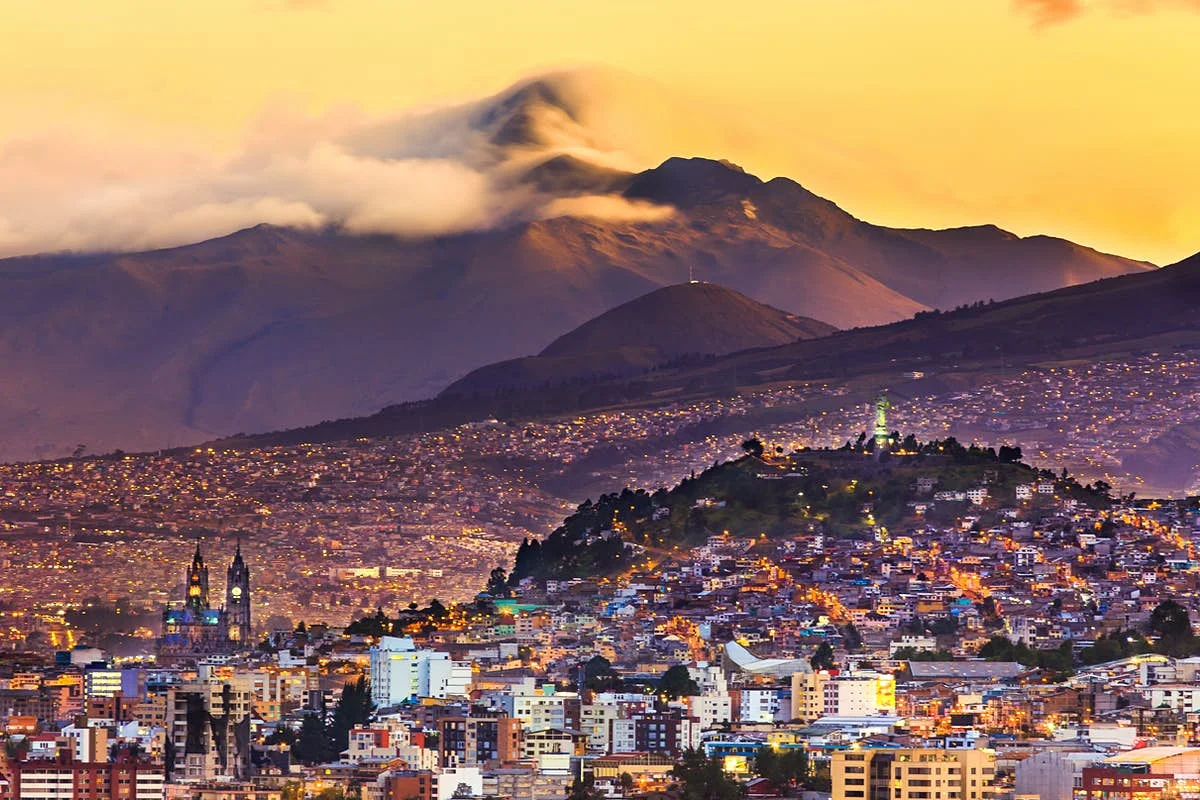
Quito is a vibrant, bustling metropolis nestled high in the Andes Mountains. At over 9,000 feet elevation, it offers breathtaking views, historic old town charm, and a unique high-altitude experience. But when it comes to cannabis, the situation is more complicated than in some other South American destinations.
In recent years, Ecuador has seen shifts in drug policy. While personal use was once decriminalized for small amounts, recent changes have led to stricter enforcement, especially in the capital. The recreational market remains underground, with no official dispensaries or shops.
Whether you’re a tourist looking to enhance your Ecuador adventure or just curious about the local scene, this guide provides honest, practical information based on the latest developments. We’ll break down the laws, where people typically find weed in Quito, and essential safety advice to help you make informed decisions.
Remember: This is for informational purposes only. Always respect local laws and prioritize your safety above everything else.
Current Legal Status in Quito ⚖️
Here’s the honest truth about cannabis laws in Quito and Ecuador as of mid-2026:
- Recreational possession and use sit in a legal gray area. The previous guidelines that decriminalized up to 10 grams for personal use were repealed in late 2023 by President Daniel Noboa.
- Simple personal possession for your own use is often treated as non-criminal by the courts, but police and prosecutors can still take action — especially if they believe there’s intent to sell or traffic.
- Sale, purchase, distribution, and public consumption remain fully illegal. Enforcement has tightened noticeably, with the Anti-Narcotics Directorate focusing on visible street-level activity.
- Medical cannabis is legal but strictly regulated and mainly available to registered patients through approved channels. Tourists generally cannot access it easily.
- Penalties vary: confiscation and warnings are common for small amounts, but larger quantities or aggravating factors (near schools, public transport, intent to sell) can lead to fines or 1–3 years in prison.
Quito has stricter enforcement than cities like Cuenca or smaller towns. Tourist areas, parks, and nightlife districts see more police presence. Public smoking is risky and strongly discouraged.
⚠️ Ongoing citizen initiatives are pushing for regulated adult-use reforms (including home cultivation limits), but as of June 2026 these have not yet become law. The situation can change, so always verify current rules before traveling.
This is not legal advice — just a clear summary of the current reality.
Where to Find Weed in Quito 🌿
There are still no legal recreational dispensaries or cannabis shops anywhere in Quito. Everything happens through the informal market.
Most people source weed the old-fashioned way: through personal connections and careful observation. Here are the typical approaches in 2026:
Word of Mouth & Social Networks (Recommended Approach)
The relatively safer option is building trust through locals, expats, or fellow travelers. Some people have luck through hostels, bars in La Mariscal, or casual conversations in relaxed settings. It takes time and discretion — flashing cash or asking strangers directly often backfires.
Parks and Public Spaces
Certain parks and green areas (such as Parque La Carolina or El Ejido) have historically seen activity, especially in the evenings. People sometimes smoke discreetly or connect with others already partaking. Approach only if the vibe feels right, and never aggressively.
Street Encounters
You may still get approached in tourist-heavy zones. These offers are almost always lower quality at inflated tourist prices (often $15+ for small amounts) and carry higher scam or rip-off risk. Many travelers report being disappointed with what they receive.
Quality varies widely — some local outdoor-grown herb is decent, while other product can be dry, seedy, or poorly cured. As a visitor you will almost always pay more than locals for average product.
💡 Bottom line: The scene still exists but requires street smarts, patience, and realistic expectations. Random approaches are rarely worth it.
Practical Tips and Safety 🛡️
Navigating Quito’s cannabis scene in 2026 demands extra caution. Here’s practical advice to stay as safe as possible:
- Keep it private: Only consume in your accommodation or very private spaces. Never in public, near police, schools, crowds, or tourist hotspots.
- Carry tiny amounts: A small personal stash is much safer than anything that could be interpreted as distribution. Hide it well.
- Avoid obvious dealers: If someone aggressively approaches offering weed, walk away. These are frequently low-quality product, overpriced, or setups.
- Quality & health: Street cannabis can contain pesticides, mold, or other contaminants. Start with a very small amount if trying a new source.
- Police encounters: Stay calm and polite if stopped. Outcomes vary — sometimes just confiscation and a warning, other times more serious. Cooperation is usually better than confrontation.
- Scam awareness: Watch for overcharging, fake product, or being led to unsafe areas. Never follow strangers to “better deals.”
- General Quito safety: The city has pickpocketing in crowded spots. Keep valuables secure and be aware of your surroundings at all times.
Honest take: With tightened enforcement in the capital, many travelers now choose to enjoy Quito’s incredible food, markets, hikes, and culture without cannabis. If you decide to partake, extreme discretion is essential.
Conclusion
Finding weed in Quito in 2026 is still possible, but it’s underground, inconsistent, and carries real risks. The legal gray area, stricter policing in tourist zones, and lack of regulated options mean you need to be smart, patient, and respectful of the law.
Ecuador offers so much more than cannabis — stunning volcanoes, colonial architecture, amazing cuisine, and warm people. Make choices that keep you safe and let you fully enjoy this beautiful country.
We’ll continue updating this guide as laws evolve. Travel responsibly, stay aware, and have an amazing time in Quito! 🌄